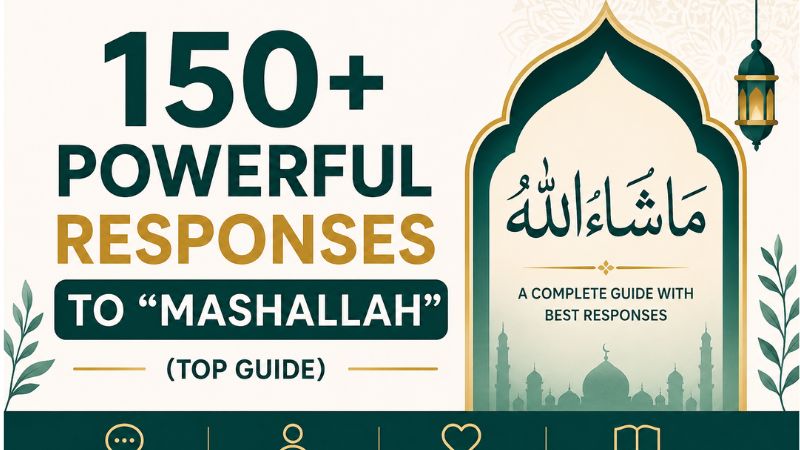
Hearing someone say “Mashallah” is always a beautiful moment. It is a common Islamic expression used to admire someone’s achievements, beauty, success, children, home, or any blessing while asking Allah to protect it from envy. Whether the compliment comes from a family member, friend, coworker, or even a stranger, responding with kindness and gratitude shows good manners and appreciation. A thoughtful reply also helps keep the conversation warm and respectful.
Many people wonder what the right response to “Mashallah” should be. While a simple “Thank you” is acceptable, there are several meaningful Islamic responses that carry deeper spiritual value. Phrases like “JazakAllahu Khairan,” “BarakAllahu Feek,” and “Alhamdulillah” are commonly used because they express gratitude to both the speaker and Allah. Choosing the right reply depends on the situation, your relationship with the person, and the tone of the conversation.
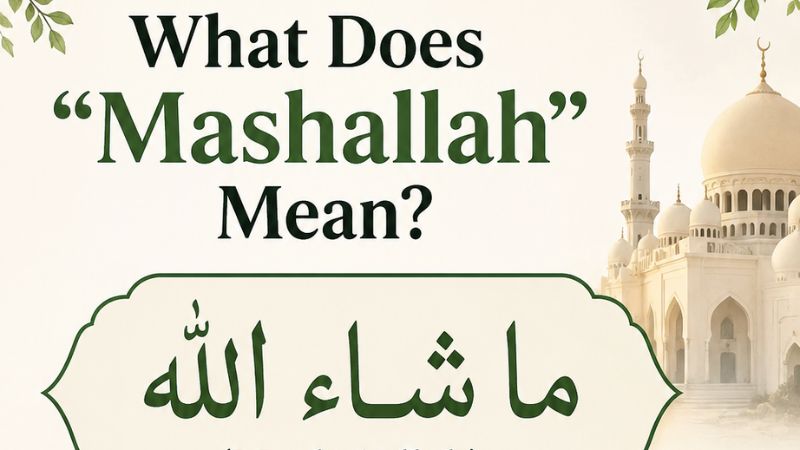
What Does “Mashallah” Mean?
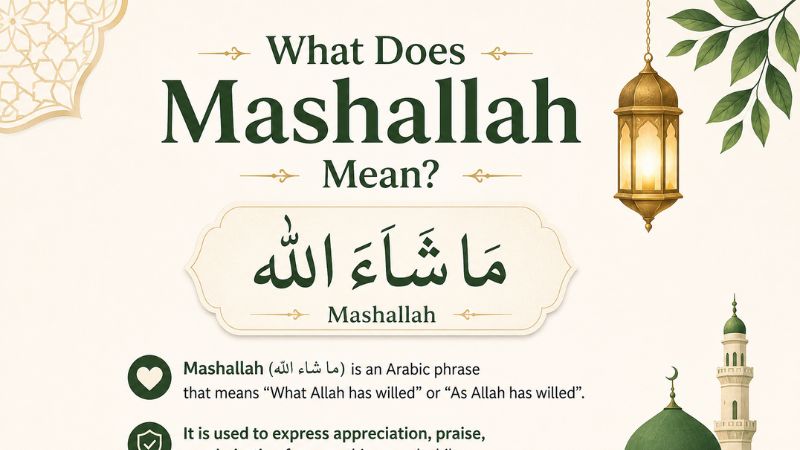
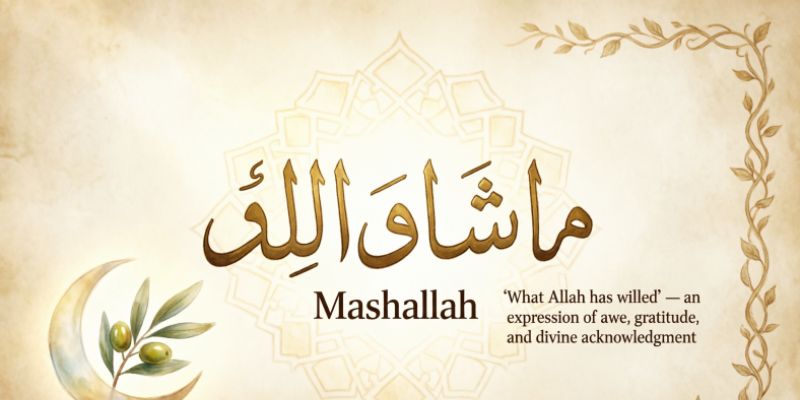
“Mashallah” is an Arabic phrase widely used across the Muslim world and beyond. It is spoken as an expression of admiration, gratitude, and acknowledgment that whatever beauty or blessing one is witnessing comes entirely from God. It carries a deep sense of humility, reminding both the speaker and the listener that all good things are ultimately by God’s will.
The phrase is commonly said when someone sees something wonderful — a newborn baby, a beautiful home, or a friend’s success. Rather than simply complimenting someone, saying “Mashallah” frames the praise within a spiritual lens, attributing the blessing to the divine rather than pure chance or personal effort alone.
Literal Meaning Explained
Broken down word by word, “Mashallah” comes from three Arabic components: ma (what/that which), sha (willed), and Allah (God). Together, the phrase translates most directly as “that which God has willed” or “what God has willed has happened.” It is a declaration that a blessing exists because God made it so.
This literal construction is significant because it reflects a core belief in Islam — that nothing in the world occurs without God’s permission or will. By saying “Mashallah,” a speaker is not merely offering a compliment; they are making a small theological statement that places God at the center of all good fortune and beauty.
Translation in English
Translating “Mashallah” perfectly into English is genuinely difficult, because no single English phrase carries all of its meaning. The closest equivalents include “God has willed it,” “What God wills,” or simply “How wonderful — by God’s grace.” Some English speakers loosely translate it as “God bless” or “Praise God,” though neither fully captures the original sentiment.
The challenge lies in how deeply the phrase blends admiration with spiritual surrender. English expressions of praise tend to focus on the person or thing being admired, while “Mashallah” always redirects credit upward to God. This is why many Muslims who speak English fluently still prefer to use the Arabic word itself rather than any substitute.
Spiritual and Cultural Meaning
Spiritually, “Mashallah” serves as a constant reminder of God’s presence in everyday life. Saying it turns an ordinary moment — noticing a friend’s new car or a child’s good grades — into an act of mindfulness and gratitude. It keeps the speaker grounded in the belief that prosperity and beauty are gifts, not entitlements.
Culturally, the phrase functions as social glue across Muslim communities worldwide. It signals warmth, sincerity, and respect. In many cultures, failing to say “Mashallah” when admiring something can even be considered impolite, as the phrase also carries a protective quality — shielding the admired person or thing from the “evil eye” that envy or excessive praise might attract.
Why People Say Mashallah
People say “Mashallah” for a variety of heartfelt reasons — to celebrate a new baby, praise someone’s achievements, express amazement at natural beauty, or congratulate a friend on good news. It is a versatile phrase that fits almost any positive occasion, making it one of the most frequently spoken expressions in the Arabic-speaking and Muslim world.
Beyond its spiritual function, people also say it out of cultural habit and social courtesy. In many communities, it is simply the right and respectful thing to say when you witness something praiseworthy. It shows that your admiration is sincere, humble, and free of jealousy — qualities that are deeply valued across Islamic and Arab cultures.
Origin and Religious Context of Mashallah
Arabic Roots of the Phrase
The phrase “Mashallah” is rooted in classical Arabic, the sacred language of the Quran and one of the world’s oldest continuously spoken languages. Its grammatical structure follows a common Arabic pattern of condensing a full theological idea into a compact, elegant expression. This kind of linguistic compression is a hallmark of Arabic, where single words or short phrases can carry enormous meaning.
Classical Arabic has long been a vehicle for Islamic scholarship, prayer, and devotion, which is why phrases like “Mashallah” carry such authority and reverence. Even Arabic-speaking Christians and Jews in the Middle East have historically used the phrase, reflecting how deeply embedded it is in the linguistic culture of the region — transcending religion to become a part of everyday speech.
Usage in Islam
In Islam, “Mashallah” is used throughout daily life as a natural expression of faith. Muslims are encouraged to say it whenever they see or experience something beautiful or good, as a way of acknowledging that all blessings flow from Allah. It is mentioned and encouraged in Islamic tradition as a verbal habit that keeps the heart connected to God even in ordinary moments.
Scholars of Islam note that the phrase also serves a protective role — it is believed to guard against the “evil eye” (ayn al-hasad), the harm that can result from excessive praise or envy. This is why parents often say it over their children, and friends say it upon hearing good news. It frames admiration as something spiritual and safe rather than potentially harmful.
Quranic and Cultural Background
The phrase has a direct connection to the Quran — specifically Surah Al-Kahf (18:39), where a man is advised to say “Mashallah, la quwwata illa billah” (Mashallah, there is no power except with God) when entering his garden. This verse has made the phrase an enduring part of Islamic consciousness, cited for centuries as evidence of its scriptural importance.
Culturally, this Quranic backing gives “Mashallah” a weight that goes far beyond a casual saying. It is a phrase with a sacred pedigree, and many Muslims are aware of its connection to scripture even if they use it casually. Over centuries, it moved from formal religious language into everyday conversation, becoming one of the most recognizable phrases in the entire Muslim world.
Global Usage Beyond Muslims
While “Mashallah” is rooted in Islamic tradition, its use has spread well beyond Muslim communities. In countries like Turkey, Bosnia, Iran, and parts of South Asia and Africa, the phrase is woven into the cultural fabric regardless of religious background. Even non-Muslim locals in these regions may use it naturally as part of everyday conversation.
In recent years, globalization and social media have introduced “Mashallah” to entirely new audiences. It now frequently appears in online comments, memes, and international pop culture — sometimes used humorously or casually by people who may not know its religious origins. Despite this, its core spirit of admiration and gratitude tends to come through even in informal usage, making it one of the most widely recognized Arabic phrases in the world.
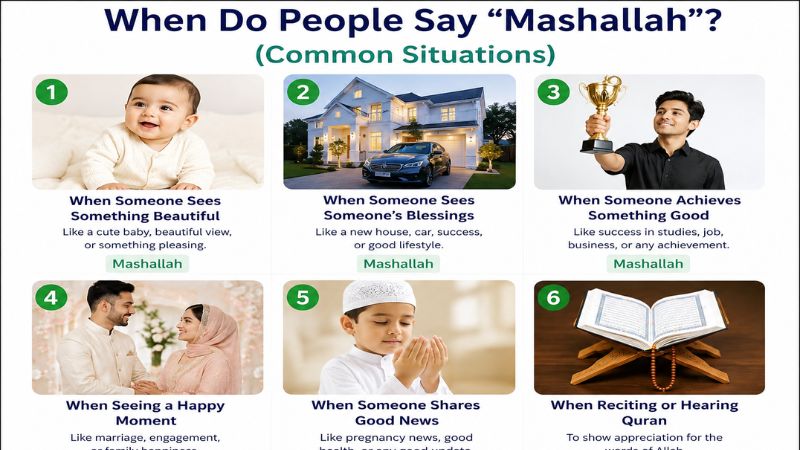
When Do People Say “Mashallah”? (Common Situations)
When Praising Something Good (Compliment)
One of the most common times people say “Mashallah” is when offering a genuine compliment. Whether admiring a person’s appearance, a beautifully decorated home, or a child’s good behavior, the phrase elevates the compliment from mere flattery to a spiritually grounded acknowledgment. It tells the other person that their beauty or goodness is a gift from God, not just luck or personal effort.
This makes “Mashallah” a much warmer and more meaningful compliment than simply saying “nice” or “beautiful.” When someone says it sincerely, the recipient understands that the praise comes without envy or ill intent. It is a compliment wrapped in humility — one that honors both the person being praised and the God who blessed them.
When Celebrating Success or Achievement
“Mashallah” is almost always heard at moments of personal achievement — when someone graduates, gets a promotion, buys a new home, or reaches a major life milestone. Friends and family say it to celebrate the accomplishment while simultaneously reminding everyone present that the success was made possible by God’s grace. It transforms a proud moment into an act of collective gratitude.
In many Muslim families and communities, not saying “Mashallah” at such moments would feel incomplete or even disrespectful. It is expected as a form of spiritual etiquette — a way of making sure that celebrations remain grounded in thankfulness rather than arrogance. Saying it out loud signals that success has been received with the right attitude: humility before God.
After Hearing Good News
When someone shares good news — a pregnancy, a new job, a marriage announcement, or a recovered illness — “Mashallah” is typically the first response. It serves as a way to receive the news with joy while immediately attributing the blessing to God. The phrase signals that the listener is genuinely happy for the person and spiritually aware of where the good fortune comes from.
It also sets a positive and grateful tone for the conversation that follows. Rather than launching straight into excitement or questions, saying “Mashallah” first creates a moment of pause and recognition. It is a small but powerful way of ensuring that good news is received with grace, gratitude, and the right spiritual mindset from the very first word.
To Protect from Envy or Evil Eye
A deeply important reason people say “Mashallah” is to offer protection from the evil eye (ayn al-hasad) — the belief that intense envy or excessive admiration can bring harm to the person being praised. By saying “Mashallah,” the speaker essentially declares that any goodness they see belongs to God, removing their own desire or envy from the equation and spiritually shielding the other person.
This protective use is especially common when admiring children, newborns, or someone who has just received a great blessing. Parents are particularly careful to say it over their children when strangers compliment them. It is not superstition for those who practice it — it is a sincere act of care and faith, using the remembrance of God as a shield against any harm that unchecked admiration might bring.
Why “Mashallah” Is Said (Deeper Meaning)
Gratitude and Acknowledgment of Blessings
At its deepest level, “Mashallah” is an expression of gratitude. Every time someone says it, they are acknowledging that the good they see — whether in their own life or someone else’s — is a blessing that comes directly from God. It is a verbal act of thankfulness that keeps the speaker connected to the source of all goodness, even in small, everyday moments.
This attitude of gratitude is central to Islamic teaching, which emphasizes that recognizing God’s blessings is a form of worship in itself. Saying “Mashallah” turns an ordinary observation into a mindful spiritual act. Over time, the habit of saying it trains both the heart and the tongue to default to thankfulness — making gratitude not just an occasional feeling but a constant way of moving through the world.
Protection from Jealousy
“Mashallah” acts as a verbal barrier against jealousy — both in the speaker and in others. When someone genuinely says it, they are consciously choosing to admire without coveting. The phrase reminds the speaker that what they see belongs to God’s plan for that person, and that wishing it away or begrudging it would be spiritually harmful. It is a way of purifying the heart at the moment of admiration.
For the person being praised, hearing “Mashallah” is also reassuring. It signals that the admiration being directed at them is clean and free of envy. In cultures where the evil eye is taken seriously, this matters enormously. The phrase functions like a spiritual disclaimer — “I see your blessing, I celebrate it, and I wish you no harm” — and that simple declaration carries real emotional and communal weight.
Humility and Faith Expression
Saying “Mashallah” is fundamentally an act of humility. It is a quiet but powerful declaration that no person deserves all the credit for their gifts — that beauty, talent, health, and success are bestowed, not self-made. For the speaker, it is a moment of surrendering pride and acknowledging that human beings are ultimately dependent on God for everything they have and are.
This humility is one of the most admired qualities in Islamic ethics, and “Mashallah” gives it a voice in everyday conversation. A person who says it regularly is practicing a form of ongoing faith — not just believing in God privately but actively expressing that belief in how they speak about the world around them. It turns casual conversation into a living expression of trust in God’s wisdom and generosity.
Social and Cultural Importance
Beyond its religious significance, “Mashallah” plays a vital social role in Muslim and Arab cultures. It is a phrase that bonds people together — when two friends share a moment of admiration and both say “Mashallah,” they are briefly united in a shared spiritual awareness. It creates connection, warmth, and a sense of community around the recognition of God’s blessings.
Culturally, knowing when and how to say Response to “Mashallah” is a mark of good manners and social intelligence. It shows that a person understands the values of their community and engages with others respectfully. In many societies, it is as expected as saying “please” or “thank you” — a social norm with deep roots that signals care, sincerity, and belonging. For millions of people around the world, it is simply the most natural and right thing to say when life offers something worth celebrating.
How to Respond to “Mashallah” (By Situation)
Simple and Common Replies
- “JazakAllah khair” — a warm, faith-filled way to thank someone for their kind words.
- “Alhamdulillah” — simply praising God in return, acknowledging the blessing yourself.
- “Thank you so much” — a straightforward, sincere acknowledgment of the compliment.
- “Ameen, and the same to you” — accepting the good wish and returning it graciously.
- “Shukran” — the Arabic word for “thank you,” simple and universally understood.
- “That means a lot, thank you” — a genuine, heartfelt reply that shows you received it warmly.
- “Alhamdulillah, I’m grateful” — combining thanks to God with personal gratitude.
- “Thank you, may Allah bless you too” — returning the kindness with a sincere prayer.
- “I appreciate that, truly” — a simple, honest reply that feels natural in any conversation.
- “Ameen, thank you for saying that” — accepting the blessing while expressing genuine appreciation.
Polite and Respectful Replies
- “JazakAllah khair for your kind words” — a respectful, complete reply rooted in Islamic etiquette.
- “May Allah reward you for your generosity” — a gracious response that honors the person’s kindness.
- “Thank you — your words are very kind and I’m truly grateful” — warm, full, and respectful.
- “Alhamdulillah, and may Allah bless you with the same” — returning the blessing politely and sincerely.
- “I’m humbled by your kind words, thank you” — showing modesty while acknowledging the compliment.
- “May Allah keep you and your family well” — a polite prayer offered in return for the kind gesture.
- “That is very thoughtful of you to say, thank you” — recognizing the person’s intention with grace.
- “I receive that with gratitude, Alhamdulillah” — a composed and respectful acknowledgment.
- “Your kindness is appreciated more than you know” — a warm reply that makes the other person feel valued.
- “Ameen, and may Allah shower His blessings upon you” — ending the exchange on a high, prayerful note.
Religious and Islamic Replies
- “Ameen, wa iyyakum” — “Ameen, and to you as well,” a classic Islamic response full of sincerity.
- “Alhamdulillah, all praise belongs to Allah alone” — redirecting all credit to God immediately.
- “BarakAllahu feek” — meaning “may Allah bless you,” a deeply Islamic reply full of warmth.
- “Alhamdulillah, it is all from Allah’s mercy” — a humble reminder that blessings come from God, not oneself.
- “May Allah accept our gratitude and keep us blessed” — a communal prayer inviting God’s continued favor.
- “Ameen, may Allah increase us all in goodness” — asking God to grow the blessings for everyone involved.
- “SubhanAllah, and may Allah bless you for saying that” — combining glorification of God with a sincere prayer.
- “All good is from Allah — Alhamdulillah for everything” — a complete and faithful acknowledgment.
- “May Allah keep this blessing and increase it — Ameen” — praying for the continuation of the blessing mentioned.
- “Alhamdulillah, we ask Allah never to take His blessings away” — a deeply heartfelt and devout reply.
Casual and Friendly Replies
- “Haha, Mashallah to you too, friend!” — light, fun, and warm — perfect between close friends.
- “Aww, thank you! Alhamdulillah, right?” — relaxed and genuine, mixing gratitude with a smile.
- “You’re too kind — seriously, thank you!” — casual and real, without being overly formal.
- “Ha, Mashallah, I needed to hear that today!” — playful and honest, showing the compliment landed well.
- “Thanks! You always know what to say.” — friendly and affectionate, great for close relationships.
- “Alhamdulillah! You made my day with that.” — casual yet grateful, warm and easy-going.
- “Aww stop it — but also please don’t, thank you!” — humorous and charming, great for lighthearted moments.
- “Thank you! Couldn’t have done it without Allah’s help, honestly.” — casual faith expressed naturally.
- “That’s so sweet of you — Alhamdulillah for good friends like you!” — turning the compliment into mutual appreciation.
- “Mashallah back at you — you’re pretty amazing yourself!” — fun and affectionate, ideal for friends.
Humble and Modest Replies
- “I’m nothing special — all good things come from Allah alone.” — deflecting praise with genuine humility.
- “Alhamdulillah, but please make dua I stay worthy of it.” — modest and spiritually aware.
- “You’re very kind, but truly, it is only Allah’s grace.” — redirecting all credit sincerely and gently.
- “I don’t deserve such kind words, but JazakAllah khair.” — humble acceptance without false modesty.
- “Alhamdulillah — I am just trying my best, nothing more.” — grounded, real, and appropriately modest.
- “Please don’t give me too much credit — it is all from Allah.” — a gentle correction wrapped in gratitude.
- “Your words are generous, but Allah deserves all the praise.” — graciously pushing honor back toward God.
- “I’m just grateful Allah made it possible — Alhamdulillah.” — humble, sincere, and faith-centered.
- “Thank you, but I have many flaws — please remember me in your prayers.” — honest and touchingly vulnerable.
- “Alhamdulillah — I ask Allah to keep me from being proud.” — a beautiful reply that shows true self-awareness.
Text Message Replies
- “Alhamdulillah 🤲 JazakAllah khair for that!” — warm, faith-filled, and perfect for a quick text reply.
- “Aww Mashallah, thank you so much! 😊” — casual, sweet, and easy to send to anyone.
- “That honestly made my day — Alhamdulillah! 💙” — expressive and genuine for close contacts.
- “JazakAllah khair, may Allah bless you too! 🌸” — short, sincere, and complete.
- “Ameen! And same to you always 🤍” — brief but warm, great for a quick heartfelt reply.
- “Haha thank you!! Couldn’t have done it without Allah’s help fr 😄” — casual, relatable, and real.
- “Alhamdulillah 🙏 Your message genuinely warmed my heart!” — expressive and personal for close friends.
- “BarakAllahu feek! That means so much 💚” — a meaningful Islamic reply that still feels text-friendly.
- “Mashallah to you too honestly 😭🤲 thank you!” — playful yet sincere, very natural in casual texting.
- “Ameen ameen! May Allah keep us all blessed 🌙✨” — enthusiastic, prayerful, and warm for any good news thread.
25 Quick One-Line Replies That Always Work
These one-liners work in virtually any situation where someone says “Mashallah” to you — religious, casual, formal, or friendly. They are short enough to feel natural but meaningful enough to show genuine appreciation and faith. Having a few of these ready means you will never be caught off guard or unsure of what to say.
Whether you are responding in person, over text, or in a group setting, these replies carry the right blend of humility, gratitude, and warmth. They are universally appropriate and can be adapted to fit any relationship or context without ever sounding forced or out of place.
“Alhamdulillah, thank you!”
“JazakAllah khair!”
“Ameen, and same to you!”
“Thank you — may Allah bless you!”
“Alhamdulillah for everything.”
“BarakAllahu feek!”
“That means so much, thank you.”
“Ameen, I appreciate that!”
“Shukran, truly.”
“May Allah reward you for your kindness.”
“Alhamdulillah, all praise to Allah.”
“Thank you — your words warmed my heart.”
“Ameen, may Allah keep us all blessed.”
“JazakAllah, that was so kind of you.”
“Alhamdulillah — I’m grateful for your words.”
“May Allah bless you and your family.”
“Thank you — it’s all from Allah’s grace.”
“Ameen! You made my day.”
“Alhamdulillah, I needed to hear that.”
“Thank you so much — truly.”
“BarakAllahu feek, that’s so kind!”
“Ameen, may Allah increase us in goodness.”
“Shukran — may Allah bless you always.”
“Alhamdulillah, all good is from Him.”
“Thank you — please keep me in your prayers.”
Mashallah vs Inshallah vs Alhamdulillah (Clear Difference)
These three phrases are among the most commonly used expressions in the Muslim world, yet they are frequently confused — even by native speakers in casual conversation. Each one carries a distinct meaning and is used in a specific context. Understanding the difference helps you use them correctly and respond to them appropriately, showing both cultural awareness and genuine respect.
Mixing them up, while common, can sometimes lead to awkward or even unintentionally humorous situations. A clear understanding of when each phrase is used not only improves communication but also deepens your appreciation of the spiritual intention behind each one. Here is a simple breakdown of how they differ in meaning, timing, and purpose.
| Phrase | Meaning | When It’s Used |
| Mashallah | “What God has willed” | When praising or admiring something already happened |
| Inshallah | “If God wills it” | When referring to something hoped for in the future |
| Alhamdulillah | “All praise is for God” | When expressing gratitude for a blessing received |
Mashallah looks at the present or past — something good that already exists or has already happened. You say it when you see a beautiful child, hear good news, or witness someone’s success. It is a declaration that what you see is the result of God’s will.
Inshallah looks forward — it is attached to future plans, hopes, and intentions. When someone says “I’ll see you tomorrow, Inshallah,” they are acknowledging that the future is in God’s hands. It is an expression of hope combined with surrender to God’s plan.
Alhamdulillah is pure gratitude — spoken after receiving a blessing, recovering from difficulty, or simply recognizing God’s goodness in the moment. Where Mashallah acknowledges God’s will in what you see, Alhamdulillah thanks God for what you have received.
Common Mistakes When Responding to Mashallah
Ignoring the Phrase
One of the most common and unintentional mistakes people make is simply not responding to “Mashallah” at all. In many cultures, staying silent after someone says it can come across as dismissive, rude, or socially awkward. The person who said it extended a spiritual compliment, and leaving it unacknowledged can make the exchange feel cold and incomplete.
Even a simple “Alhamdulillah” or “thank you” goes a long way in showing that you received the phrase with appreciation. Ignoring it — even out of shyness or unfamiliarity — can unintentionally signal indifference or a lack of cultural awareness. A brief, genuine acknowledgment is always better than silence.
Using Inappropriate Tone
Responding to “Mashallah” with a dismissive, sarcastic, or overly casual tone can undermine the sincerity of the original expression. Since the phrase carries spiritual weight, a flippant reply can feel disrespectful — even if no offense was intended. The tone of your response matters just as much as the words you choose.
Matching the warmth and sincerity of the phrase is key. Even if you are in a lighthearted conversation, your reply should still carry a sense of genuine appreciation. A bored “yeah, thanks” or an eye-roll — even jokingly — can easily be misread as dismissiveness toward both the person and the faith behind the phrase.
Misunderstanding Meaning
Some people, unfamiliar with the phrase, respond as though “Mashallah” were a question, a command, or even a criticism. This misunderstanding can lead to confusion or an awkward exchange that leaves both parties uncertain of what just happened. It is especially common in multicultural settings where not everyone shares the same background.
Taking a moment to understand that “Mashallah” is always a positive, admiring expression helps you respond with the right energy. It is never negative, never sarcastic in its original intent, and never something to feel defensive about. Knowing this allows you to receive it gracefully and reply with confidence every time.
Overusing Non-Relevant Replies
Another common mistake is responding with a phrase that does not match the situation — for example, saying “Inshallah” in response to “Mashallah,” or launching into a lengthy speech when a simple, warm reply would do. Using the wrong phrase can create confusion and suggests a surface-level familiarity with the expressions rather than genuine understanding.
The best replies to “Mashallah” are focused, appropriate, and proportionate. If someone casually compliments you, a casual reply is fine. If the moment is more serious or emotional, a deeper response is fitting. The key is to listen to the context and match your reply to the tone of the conversation rather than defaulting to a rehearsed or mismatched response.
Cultural Etiquette Around Mashallah
Respect in Islamic Culture
In Islamic culture, “Mashallah” is not just a phrase — it is a marker of good character and spiritual mindfulness. Using it correctly, and responding to it graciously, reflects well on a person’s upbringing, values, and faith. Muslims are generally taught from a young age to say it instinctively when witnessing anything good, making it deeply embedded in daily cultural behavior.
Respecting the phrase means treating it with the seriousness it deserves, even in casual settings. Mocking it, misusing it, or using it sarcastically is considered disrespectful not only to the culture but to the faith itself. For those outside the faith, learning to receive and respond to it appropriately is a meaningful sign of cross-cultural respect and genuine appreciation.
Proper Response Manners
Proper manners when responding to “Mashallah” involve a combination of verbal acknowledgment, appropriate body language, and the right spiritual tone. A simple smile, direct eye contact, and a sincere “Alhamdulillah” or “JazakAllah khair” covers all the basics. The response does not need to be elaborate — it just needs to feel real and respectful.
In more formal or elder-present settings, a slightly more considered reply is expected. Responding to an elder’s “Mashallah” with a casual laugh or a one-word reply may come across as dismissive. Taking a brief extra moment to respond with warmth — “Alhamdulillah, JazakAllah khair for your kind words” — shows maturity, good manners, and cultural awareness.
Tone and Sincerity
The tone you use when responding to “Mashallah” is just as important as the words themselves. A technically correct reply delivered in a flat or distracted tone can feel more dismissive than a simple heartfelt “thank you.” Sincerity is something people sense immediately, and in cultures where “Mashallah” carries deep meaning, an insincere response is quickly noticed.
Genuine warmth, even in brief replies, communicates that you truly received the compliment and appreciated the spiritual intention behind it. Whether you smile, pause briefly, or simply make eye contact when you respond, these small physical cues reinforce the sincerity of your words. The goal is not to perform gratitude but to genuinely feel and express it.
Social Expectations
In many Muslim-majority communities, there are clear social expectations around the use of and response to “Mashallah.” Failing to say it when expected — or failing to respond to it appropriately — can unintentionally cause social friction or give others the impression that you are dismissive of shared values. These expectations are rarely spoken aloud but are widely felt and understood.
Being aware of these norms, especially when spending time in or building relationships within Muslim communities, goes a long way in earning trust and belonging. It shows that you are not just tolerating the culture around you but actively engaging with it. For Muslims themselves, living up to these expectations is a way of honoring their faith and community through the small, everyday choices of language and manner.
Real-Life Conversation Examples
Family Context
Situation: A mother sees her son’s excellent exam results and says “Mashallah, I’m so proud of you!”
Son: “Alhamdulillah Mama, I couldn’t have done it without your prayers and Allah’s help. JazakAllah khair for always believing in me.”
In family settings, responses to “Mashallah” tend to be warm, personal, and emotionally open. This is the context where the phrase carries the most tenderness, and replies that include gratitude toward both God and the family member land especially well. Acknowledging the role of a parent’s prayers or support makes the exchange feel complete and deeply loving.
Families often use “Mashallah” as a form of emotional bonding — a shared language of faith and pride. Responding with equal warmth, rather than deflecting the compliment entirely, honors the relationship while still remaining humble. The best family responses balance spiritual acknowledgment with personal connection.
Social Interaction
Situation: A friend sees your new apartment and says “Mashallah, this place is beautiful!”
You: “Haha, Alhamdulillah! I’m so glad you like it — come over anytime, this is your home too!”
In social settings among friends, responses to “Mashallah” can be relaxed and joyful while still carrying genuine gratitude. You do not need to be overly formal — matching your friend’s energy while slipping in an “Alhamdulillah” keeps things natural and authentic. The key is that the spiritual acknowledgment feels organic, not forced.
Social uses of “Mashallah” are often the most frequent and casual, which is why having a comfortable, natural response ready matters. A stiff or overly rehearsed reply can feel out of place among friends. Aim for warmth, ease, and just enough spiritual grounding to honor the meaning behind what was said.
Professional Setting
Situation: A colleague congratulates you after a successful presentation — “Mashallah, that was an excellent presentation!”
You: “JazakAllah khair, I really appreciate that. Alhamdulillah, the team’s support made all the difference.”
Professional environments call for a polished but warm response. Acknowledging “Mashallah” in a workplace setting with “JazakAllah khair” or “Alhamdulillah” is entirely appropriate and signals cultural confidence. It also subtly reinforces that your values and faith are part of who you are professionally — something many Muslims navigate with quiet pride.
Sharing credit with the team while thanking God is a particularly strong professional response — it shows humility, gratitude, and good leadership all at once. In workplaces with Muslim colleagues or clients, responding naturally and gracefully to “Mashallah” builds rapport and demonstrates that you operate with both professional competence and personal integrity.
Online or Chat Examples
Situation: Someone comments “Mashallah 🤲” under your achievement post on social media.
You: “Alhamdulillah! JazakAllah khair for the love 💙 May Allah bless you always!”
Online and chat responses to “Mashallah” should be warm, brief, and genuine. A simple “Alhamdulillah, JazakAllah khair!” with a relevant emoji is perfectly appropriate and widely understood across Muslim online communities. You do not need to write a paragraph — sincerity in a few words is more than enough in digital spaces.
Emojis like 🤲, 💚, 🌙, and 💙 have become commonly associated with Islamic expressions online and can add warmth to your reply without making it feel too formal. The goal in chat settings is to make your response feel natural and human — a quick, heartfelt acknowledgment that the person’s kind words were received with real appreciation.
Advanced Tips to Respond Naturally and Confidently
Matching Tone and Context
The most important skill in responding to “Mashallah” naturally is learning to read the room. A response that works perfectly among close friends may feel too casual at a formal family gathering, and a very formal reply in a lighthearted group chat can come across as stiff or distant. Tuning into the tone of the moment before you respond makes all the difference between a reply that feels genuine and one that feels rehearsed.
Practice paying attention to who is speaking, what they are celebrating, and what energy the conversation already has. Once you develop this awareness, your responses will feel effortless and authentic rather than formulaic. The best communicators in any culture are those who can adjust fluidly — and responding to “Mashallah” is a perfect opportunity to develop that skill.
Using Appropriate Religious Phrases
Knowing which Islamic phrase fits which situation gives your response depth and cultural authenticity. “Alhamdulillah” is best when you are expressing your own gratitude for a blessing. “JazakAllah khair” is ideal for thanking the person who said “Mashallah” to you. “BarakAllahu feek” adds a layer of warmth by actively praying for the person’s blessings in return.
Building a small personal vocabulary of these phrases and knowing when to use each one transforms your responses from generic to genuinely meaningful. You do not need to use all of them at once — in fact, simplicity is often more powerful. One well-chosen phrase, said sincerely, always outperforms a string of religious expressions that feel mechanical or performative.
Keeping Responses Simple
One of the most overlooked pieces of advice when it comes to responding to “Mashallah” is to keep it simple. There is a natural temptation, especially for those new to the phrase, to over-explain or over-respond out of eagerness to get it right. But in reality, a short, warm, sincere reply almost always lands better than a lengthy or complicated one.
“Alhamdulillah, JazakAllah khair” covers everything most situations require — gratitude to God and thanks to the person. From there, you can add a personal touch if the moment calls for it, but the foundation is already solid. Simple responses feel more natural, more confident, and more genuine, which is ultimately what every exchange of “Mashallah” deserves.
Building Confidence in Communication
Confidence in responding to “Mashallah” comes with familiarity and practice. The more you use these phrases in real conversations, the more natural they feel — both to you and to the people you are speaking with. If you are not from a Muslim background, do not let fear of mispronunciation or getting it wrong hold you back. A sincere attempt is always received more warmly than polite avoidance.
For Muslims who may feel self-conscious about expressing their faith openly, especially in mixed or professional environments, building this confidence is an act of quiet courage. Responding to “Mashallah” with ease and sincerity, regardless of the setting, communicates that you are grounded in who you are. That groundedness — more than perfect phrasing or flawless pronunciation — is what makes any response truly memorable.
FAQs
What is the best response to “Mashallah”?
The best responses are “JazakAllahu Khairan,” “Ameen,” or “BarakAllahu Feek.” You can also simply say “Thank you” with gratitude.
Can I just say “Thank you” after “Mashallah”?
Yes. “Thank you” is polite and appropriate. You can also say “Alhamdulillah” to acknowledge Allah’s blessings.
Is “Ameen” a good reply to “Mashallah”?
Yes. “Ameen” is a sincere response that asks Allah to continue and protect the blessing.
How do Muslims usually respond to “Mashallah”?
Many Muslims reply with “JazakAllahu Khairan,” “BarakAllahu Feek,” or “Alhamdulillah,” depending on the situation.
Why do people say “Mashallah”?
People say “Mashallah” to express admiration while asking Allah to protect a person or blessing from envy.
Conclusion
Knowing how to respond to “Mashallah” helps you communicate with respect, gratitude, and sincerity. Whether someone says it to praise your success, your family, your appearance, or any other blessing, replying with “JazakAllahu Khairan,” “Ameen,” “BarakAllahu Feek,” or even a heartfelt “Thank you” is always appropriate. Each response reflects good manners and appreciation for the kind words you received.
Now that you know the best responses to “Mashallah,” you can confidently use them in everyday conversations. Choose the reply that best fits the situation, speak with a grateful heart, and remember that sincerity is more important than using the perfect phrase.

- Happy Sunday Blessings: Prayers, Quotes & Wishes for a Peaceful, Joyful Day - September 15, 2026
- 210+ Good Morning Tuesday Blessings, Quotes, prayers, bible verses & images - September 11, 2026
- 90+ Beautiful Good Morning Sunday Blessings, Wishes, Prayers & Quotes with Images - September 11, 2026