Hearing someone say “Mashallah” is often a heartfelt expression of admiration, appreciation, or recognition of a blessing. While many people simply smile or say “Thank you,” there are several meaningful responses that can show gratitude, humility, and respect. In this guide, you’ll discover powerful responses to “Mashallah” that fit different situations and conversations.
Mashallah” is a beautiful phrase commonly used to praise something good while acknowledging that all blessings come from Allah. When someone says it to you, knowing how to respond appropriately can help strengthen relationships and reflect good manners. Whether you’re looking for Islamic, polite, or everyday replies, this guide covers the best responses to “Mashallah.”
Have you ever wondered what to say when someone says “Mashallah” to you? Although there is no single required response, choosing the right words can express gratitude and appreciation while maintaining the spirit of the compliment. From traditional Islamic replies to simple and friendly answers, here are the most powerful responses to “Mashallah” and when to use them.
Simple and Polite Responses to Mashallah
When someone says Mashallah, a simple and polite response is always the most appreciated. You do not need to say anything complicated — a warm “Alhamdulillah” or a genuine “thank you” is perfectly enough to acknowledge the phrase with grace and good manners.
Keeping your reply short and sincere shows that you respect both the person and the meaning behind their words. Simple responses work well in almost every situation, whether you are speaking with family, friends, colleagues, or even strangers, making them the most reliable replies to have ready.
Religious Responses to Mashallah
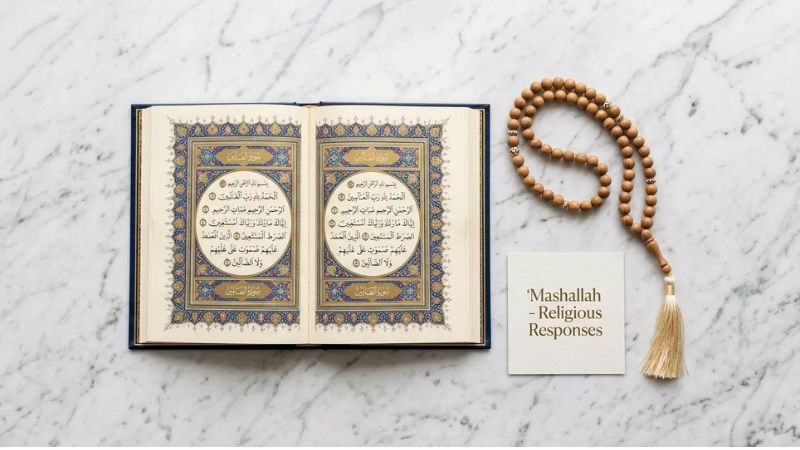
A religious response to Mashallah is one of the most meaningful ways to reply, as it honors the spiritual depth of the phrase. Saying “JazakAllah Khair,” “Barakallahu feek,” or “Ameen ya Rabb” shows that you truly understand and appreciate the faith-centered intention behind the words.
These responses carry extra weight because they not only acknowledge the compliment but also return a sincere prayer and blessing to the person who said it. For practicing Muslims, a religious reply feels natural, heartfelt, and perfectly aligned with the values that Mashallah itself represents.
Funny Responses to Mashallah
Sometimes a light and humorous response to Mashallah can make a conversation more fun and memorable, especially between close friends. A playful reply like “I know, Allah really outdid Himself with me!” said with a smile and good humor can bring laughter while still keeping the spirit of gratitude alive.
Of course, funny responses should only be used in casual and comfortable settings where both people share a warm and friendly relationship. The key is to keep the humor light, loving, and never disrespectful toward the phrase itself or the faith it represents.
Sweet and Friendly Replies to Mashallah
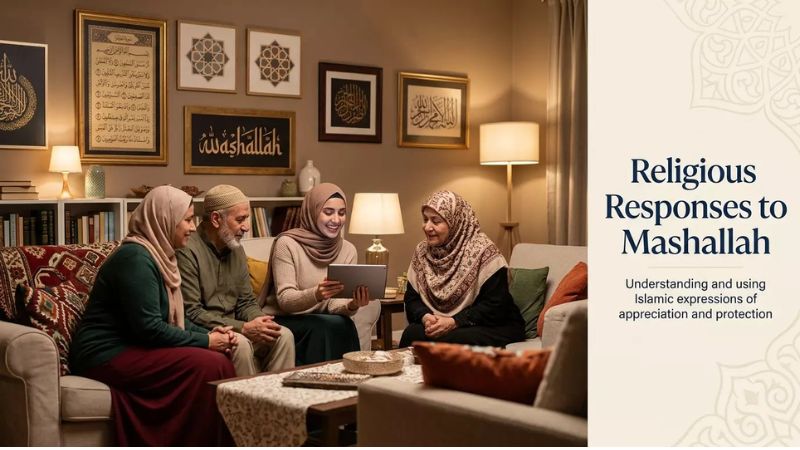
A sweet and friendly reply to Mashallah instantly warms up any conversation and makes the other person feel truly appreciated. Responses like “Aww, JazakAllah Khair, you always say the nicest things!” or “That really made my day, may Allah bless you!” carry both affection and gratitude in the most genuine way.
These types of replies work beautifully with close friends, family members, and anyone you share a warm bond with. They keep the energy positive, loving, and full of good vibes while still honoring the spiritual meaning that Mashallah naturally carries in every exchange.
Humble Responses to Mashallah
Responding to Mashallah with humility is one of the most beautiful things you can do, as it reflects the very spirit the phrase is meant to inspire. Saying “It is only by Allah’s grace, not my own doing” or “Alhamdulillah, I am nothing without His blessings” redirects all praise back to God and keeps the heart grounded.
Humble responses show spiritual maturity and a deep understanding of Islamic values, reminding both you and the listener that all good things are gifts from Allah alone. In a world that often celebrates pride and self-promotion, choosing humility in response to Mashallah is a quietly powerful act of faith.
When a Friend Says Mashallah
When a close friend says Mashallah to you, it is a moment of genuine affection and care that deserves a warm and relaxed response. You can reply casually with something like “Alhamdulillah, you are too sweet!” or “JazakAllah Khair, may Allah bless you too!” keeping the tone friendly and full of good energy.
With friends, your response does not need to be formal — what matters most is that it feels real and comes from the heart. A natural and easy reply that mixes gratitude with warmth perfectly captures the spirit of friendship and faith that a heartfelt Mashallah from a close friend always deserves.
When a Stranger Says Mashallah
When a stranger says Mashallah to you, it can feel unexpected, but it is always meant as a kind and respectful gesture that deserves a gracious reply. A simple and polite response like “JazakAllah Khair” or “Thank you, may Allah bless you” is perfectly appropriate and shows that you received their words with appreciation.
In such situations, keeping your response brief, warm, and composed is the best approach. A stranger saying Mashallah is offering you a moment of genuine human connection rooted in shared values, and responding with kindness and grace turns that brief interaction into something truly meaningful and positive.
When Someone Says Mashallah for Your Looks
When someone says Mashallah about your appearance, it is a deeply respectful compliment that goes beyond ordinary flattery. The best response is one that stays humble and grateful, such as “Alhamdulillah, all beauty comes from Allah” or “JazakAllah Khair, may Allah bless you,” keeping the focus on gratitude rather than personal pride.
Responding with humility when complimented on your looks reflects a beautiful understanding that physical blessings are gifts from Allah, not personal achievements. It also keeps the exchange spiritually grounded and shows that you value the depth of the compliment far more than just its surface meaning.
When Someone Says Mashallah for Your Success
When someone says Mashallah in response to your success, it is one of the most sincere forms of congratulation you can receive, as it acknowledges that your achievement is a blessing from Allah. The most meaningful reply is one that gives all credit back to God, such as “Alhamdulillah, it is only by Allah’s grace” or “Ameen, please keep me in your duas.”
Responding with gratitude and humility after a success keeps you spiritually grounded and prevents arrogance from creeping into a moment of celebration. It also inspires those around you, showing that true achievement is not about personal glory but about recognizing and appreciating the divine support that made everything possible.
When Someone Says Mashallah for Your Success
When someone says Mashallah in response to your success, it is one of the most sincere forms of congratulation you can receive, as it acknowledges that your achievement is a blessing from Allah. The most meaningful reply is one that gives all credit back to God, such as “Alhamdulillah, it is only by Allah’s grace” or “Ameen, please keep me in your duas.”
Responding with gratitude and humility after a success keeps you spiritually grounded and prevents arrogance from creeping into a moment of celebration. It also inspires those around you, showing that true achievement is not about personal glory but about recognizing and appreciating the divine support that made everything possible.
What Does “Mashallah” Mean?
Literal Meaning Explained
The word “Mashallah” is an Arabic phrase deeply rooted in classical Islamic language and tradition. It is made up of words that together reflect the concept of divine will, acknowledging that everything in existence happens according to God’s plan.
Breaking it down literally, the phrase means “what God has willed” or “that which God has decreed.” It serves as a constant reminder that all goodness, beauty, and achievement in this world belongs to Allah and exists only through His permission and power.
Translation in English
In English, Mashallah is most commonly translated as “God has willed it” or “What God has willed,” which closely captures its original Arabic meaning. This translation reflects the deep sense of surrender and gratitude that the phrase carries in Islamic belief and daily life.
Some scholars and speakers also translate it as “God has blessed it,” highlighting how the phrase is used when appreciating something wonderful or praiseworthy. While no single English phrase fully captures its depth, these translations help convey its spiritual and emotional weight to those unfamiliar with the term.
Spiritual and Cultural Meaning
Spiritually, saying Mashallah is an act of humility and faith, reminding both the speaker and the listener that all blessings come solely from Allah. It shifts the focus away from human achievement and places gratitude where it truly belongs — with God.
Culturally, the phrase holds a deeply cherished place across Muslim communities around the world, from the Middle East to South Asia and beyond. It is woven into everyday conversations as a natural expression of appreciation, protection, and spiritual awareness, reflecting how deeply faith is embedded in daily Muslim life.
Why People Say Mashallah
People say Mashallah to express genuine admiration and heartfelt joy when they witness something beautiful, talented, or truly impressive. Whether it is a newborn baby, a personal achievement, or a stunning view, the phrase is a way of honoring that moment with gratitude toward God.
It is also commonly said to protect blessings from the evil eye, a belief held across many cultures that envy or excessive admiration can bring harm. By saying Mashallah, a person acknowledges God’s hand in the blessing and seeks His protection over it, making the phrase both a celebration and a prayer at the same time.
Origin and Religious Context of Mashallah
Arabic Roots of the Phrase
The phrase Mashallah comes from classical Arabic and is composed of three key elements that together form its beautiful meaning. “Ma” means “what,” “sha” comes from the verb meaning “to will,” and “Allah” refers to God, making the full phrase translate as “what God has willed.”
Understanding its Arabic roots helps reveal the depth and precision of the phrase, as the Arabic language is known for its rich layers of meaning. Each word carries spiritual weight, and together they form an expression that is both linguistically elegant and profoundly meaningful in the context of Islamic faith and daily life.
Usage in Islam
In Islam, Mashallah is used as a regular part of speech to express admiration, gratitude, and acknowledgment of God’s blessings. Muslims say it when they see something beautiful, hear good news, or witness an achievement, making it one of the most commonly spoken phrases in Muslim households worldwide.
The phrase is also used as a form of protection, particularly to guard against the evil eye, known in Arabic as “al-ayn.” Islamic teachings encourage believers to say Mashallah when praising someone or something, as it redirects all glory to Allah and serves as a spiritual shield over the person or thing being admired.
Quranic and Cultural Background
The phrase Mashallah has a direct reference in the Quran, appearing in Surah Al-Kahf (Chapter 18, Verse 39), where it is used in the context of acknowledging God’s blessings and will. This Quranic mention gives the phrase a sacred status in Islam and reinforces its importance as a genuine expression of faith rather than just a cultural habit.
Culturally, Mashallah has been passed down through generations across Muslim civilizations, becoming deeply embedded in the social fabric of communities from Arabia to Persia, Turkey, and South Asia. It appears in literature, poetry, architecture, and everyday conversations, showing how seamlessly Islamic spiritual values have merged with the cultural identities of Muslim peoples throughout history.
Global Usage Beyond Muslims
Mashallah has transcended its Islamic origins and is now widely used by non-Muslims in many parts of the world, particularly in regions where Muslim culture has had a strong historical influence. In countries like Turkey, Bosnia, and parts of the Balkans, people of different faiths commonly use the phrase as a cultural expression of admiration and goodwill.
In recent years, the phrase has also gained popularity globally through social media, travel, and cultural exchange, with people from all backgrounds adopting it as a warm and positive expression. Its universal sense of appreciation and wonder has made it relatable beyond religious boundaries, allowing Mashallah to become a truly global phrase that bridges cultures and communities around the world.
When Do People Say “Mashallah”? (Common Situations)
Mashallah is said in a wide variety of everyday situations, making it one of the most versatile and frequently used expressions in Muslim culture. Whether someone is admiring a child, hearing good news, or witnessing an impressive achievement, the phrase fits naturally into the moment as a heartfelt acknowledgment of God’s blessings.
Each situation in which Mashallah is used carries the same underlying message — that all good things come from Allah and deserve to be recognized with gratitude. From casual conversations to deeply emotional moments, the phrase serves as a spiritual pause that reminds people to stay humble, grateful, and connected to their faith no matter the occasion.
When Praising Something Good (Compliment)
One of the most common situations where Mashallah is used is when giving a compliment to someone. Whether admiring a person’s appearance, talent, home, or children, saying Mashallah alongside the compliment shows that the praise is coming from a place of sincerity and spiritual appreciation rather than envy.
In many Muslim cultures, it is considered incomplete or even spiritually careless to give a compliment without saying Mashallah. The phrase elevates a simple compliment into a blessed acknowledgment, making the other person feel genuinely appreciated while also ensuring that the admiration is directed toward God, who is the true source of all beauty and goodness.
When Celebrating Success or Achievement
When someone achieves something noteworthy — such as graduating, getting a promotion, or completing a meaningful goal — Mashallah is one of the first words spoken in response. It is a way of celebrating the achievement while simultaneously giving credit to Allah for making it possible through His grace and guidance.
Saying Mashallah during moments of success also reflects a deeply rooted Islamic value of humility, reminding both the achiever and those around them that success is never solely the result of human effort alone. It keeps celebrations grounded in faith, ensuring that pride does not overshadow gratitude and that the blessing of achievement is honored in the most spiritually meaningful way.
After Hearing Good News
When someone shares exciting or joyful news — such as a pregnancy, a new job, a marriage, or a recovery from illness — responding with Mashallah is a natural and heartfelt reaction in Muslim culture. It expresses shared happiness while also acknowledging that the good news is a blessing that has come directly from Allah.
Responding with Mashallah after good news also carries a protective intention, as it shields the new blessing from negative energy or the evil eye that can sometimes follow moments of great joy. It transforms the response into both a celebration and a prayer, showing that the listener is not only happy for the person but also sincerely asking God to preserve and protect the blessing that has been shared.
To Protect from Envy or Evil Eye
One of the most spiritually significant reasons Muslims say Mashallah is to protect a person, child, or blessing from the evil eye, known in Arabic as “al-ayn.” The evil eye is a real concern in Islamic belief, and saying Mashallah is seen as a powerful way to seek Allah’s protection over something precious before envy or excessive admiration can cause harm.
This use of Mashallah is especially common when admiring children, as parents and loved ones are particularly careful to say it when someone praises a baby or young child. By invoking God’s name and acknowledging His will, the speaker essentially places the person or blessing under divine protection, turning a simple moment of admiration into a sincere and powerful act of faith.
Why “Mashallah” Is Said (Deeper Meaning)
On the surface, Mashallah may seem like a simple phrase, but its deeper meaning reveals a profound connection between everyday life and spiritual consciousness. Every time it is spoken, it carries with it a world of faith, humility, and gratitude that goes far beyond ordinary words of admiration or praise.
At its core, Mashallah is said because Muslims are encouraged to remain constantly aware of God’s presence and power in all aspects of life. It is a reminder that nothing exists, grows, or succeeds without Allah’s will, and saying it out loud is a way of living that belief in the most natural and sincere way possible, turning ordinary moments into acts of worship.
Gratitude and Acknowledgment of Blessings
Saying Mashallah is one of the most genuine ways a Muslim expresses gratitude for the blessings they see around them. Whether it is a healthy child, a beautiful home, or a person’s talent, the phrase immediately acknowledges that these gifts are not accidental but are deliberate blessings from a generous and merciful God.
This sense of gratitude is deeply important in Islam, as the Quran repeatedly reminds believers to be thankful for what they have been given. Mashallah brings that Quranic teaching into everyday conversation, making gratitude not just a private feeling but a vocal, shared, and spiritually meaningful expression that strengthens both personal faith and community bonds.
Protection from Jealousy
Jealousy is considered a destructive force in Islamic teachings, and Mashallah serves as a spiritual barrier against it. When someone says Mashallah upon seeing something admirable, they are not only expressing appreciation but also cleansing their heart of any envy by placing the blessing firmly in God’s hands.
The phrase also protects the person being admired, as it shifts the focus from human desire or comparison to divine will and gratitude. In this way, Mashallah creates a spiritually safe space for both the admirer and the admired, ensuring that moments of praise remain pure, positive, and free from the harmful energy that unchecked jealousy can bring into relationships and communities.
Humility and Faith Expression
Mashallah is one of the most beautiful expressions of humility in the Islamic tradition, as it prevents both the speaker and the listener from becoming arrogant about their blessings or achievements. By attributing all goodness to Allah, the phrase quietly dismantles pride and replaces it with a grounded sense of thankfulness and spiritual awareness.
For a Muslim, saying Mashallah is also a direct expression of faith — a small but powerful declaration that God is in control of everything. It reflects the Islamic worldview that human beings are not the owners of their talents, beauty, or success, but rather grateful recipients of whatever Allah has chosen to bless them with, making every utterance of the phrase a quiet act of devotion.
Social and Cultural Importance
Beyond its religious significance, Mashallah plays a vital role in the social fabric of Muslim communities by creating an atmosphere of warmth, positivity, and mutual respect. When people regularly say it to one another, it builds a culture of appreciation where blessings are celebrated together and envy is actively discouraged, strengthening the bonds between family members, friends, and neighbors.
Culturally, the phrase also acts as a marker of shared identity and values, connecting Muslims across different countries, languages, and backgrounds through a common expression of faith. Hearing or saying Mashallah instantly creates a sense of belonging and understanding, reminding people that no matter where they are in the world, they share the same core belief that all good things ultimately come from Allah alone.
How to Respond to “Mashallah” (By Situation)
- Always respond with warmth and sincerity.
- Match your response to the situation.
- Acknowledge the phrase respectfully.
- Use Islamic phrases when appropriate.
- Keep your reply humble and grounded.
- Show appreciation with a smile.
- Respond with gratitude when it is about your child.
- A brief polite reply works in formal settings.
- A relaxed reply works best in casual settings.
- Never dismiss or ignore the phrase.
- Consider your relationship before choosing a reply.
- Remember it is a spiritual exchange, not just social courtesy.
Polite and Respectful Replies
- “Thank you, may Allah bless you abundantly.”
- “I am truly honored, Alhamdulillah.”
- “Your words are generous, JazakAllah Khair.”
- “It is all by Allah’s grace, thank you.”
- “May Allah accept your kind words.”
- “You are very thoughtful, Alhamdulillah.”
- “I am grateful, may Allah keep you well.”
- “All praise belongs to Allah, thank you.”
- “I truly appreciate your warmth and kindness.”
- “Your words mean a great deal, Alhamdulillah.”
- “May Allah bless you as you have blessed me.”
- “I humbly accept and pray Allah blesses us all.”
Text Message Replies
- “Alhamdulillah 🤲 thank you so much!”
- “JazakAllah Khair! That made my day 😊”
- “Aww Mashallah, you are so sweet! 🥺”
- “Ameen! May Allah bless you too 💙”
- “Haha thank you! Alhamdulillah 😄”
- “That means so much — JazakAllah Khair 🙏”
- “Barakallahu feek! You are so kind 😊”
- “Alhamdulillah! All praise to Allah 🤍”
- “Aww stop it 😂 but seriously, thank you!”
- “Ameen! May Allah bless us all 🌙”
- “Just trusting Allah and doing my best 💪”
- “🥰 Alhamdulillah — JazakAllah Khair!”
25 Quick One-Line Replies That Always Work
- “Alhamdulillah, all praise belongs to Allah.”
- “JazakAllah Khair, may Allah bless you too.”
- “Ameen, thank you for your kind words.”
- “Barakallahu feek, you are very generous.”
- “Thank you, it is all by Allah’s grace.”
- “Alhamdulillah, I am truly grateful.”
- “May Allah bless you as you have blessed me.”
- “Shukran, that truly means a lot.”
- “Ameen, may Allah protect this blessing.”
- “Thank you, all credit goes to Allah.”
- “Alhamdulillah, your words are too kind.”
- “JazakAllah Khair, may Allah reward you.”
- “Thank you, may Allah keep you well.”
- “Alhamdulillah, I am humbled by your words.”
- “Ameen, may Allah bless us all.”
- “Barakallahu feek, I appreciate your kindness.”
- “Thank you, all good comes from Allah alone.”
- “Alhamdulillah, life is full of His blessings.”
- “May Allah accept your dua and bless you.”
- “Shukran, your words made my heart smile.”
- “Alhamdulillah, I am nothing without Allah.”
- “JazakAllah Khair, you are so thoughtful.”
- “Ameen, may Allah increase His blessings.”
- “Thank you, may Allah reward your kindness.”
- “Alhamdulillah, may Allah keep us all grateful.”
Mashallah vs Inshallah vs Alhamdulillah (Clear Difference)
- Mashallah acknowledges something good that has already happened.
- Inshallah expresses hope for something that has not happened yet.
- Alhamdulillah expresses gratitude for a blessing already received.
- Mashallah looks back at a blessing; Inshallah looks forward to one.
- Alhamdulillah is used in both good and difficult situations.
- Use Mashallah when complimenting, not Inshallah.
- Inshallah is for future plans and intentions only.
- Alhamdulillah is the right reply when someone asks how you are.
- Mashallah is protective; Alhamdulillah is purely thankful.
- Inshallah is not an excuse to avoid commitment.
- All three reflect Allah’s control over past, present, and future.
- Using all three correctly shows deep understanding of Islamic faith.
Common Mistakes When Responding to Mashallah
- Ignoring the phrase entirely and changing the subject.
- Responding with pride instead of humility.
- Using a sarcastic or mocking tone.
- Taking the compliment personally instead of crediting Allah.
- Confusing Mashallah with Inshallah or Alhamdulillah.
- Overreacting with excessive emotion in formal settings.
- Responding with a completely unrelated phrase.
- Treating it as just a cultural habit with no spiritual meaning.
- Failing to return a kind word or prayer in response.
- Using Mashallah in a negative or sarcastic context.
- Not showing warmth or a smile when replying.
- Assuming only Muslims need to respond to it.
Ignoring the Phrase
- Ignoring it can come across as rude and socially awkward.
- It signals that you do not value their kind gesture.
- It is considered poor manners in Muslim culture.
- It can create unnecessary distance in relationships.
- Even a simple “thank you” is better than no response.
- Confusion about its meaning is no excuse to stay silent.
- Ignoring it in family settings feels especially dismissive.
- It breaks the positive and protective energy of the phrase.
- Non-Muslims may offend unintentionally by ignoring it.
- Always acknowledge it warmly, even with a simple reply.
- A smile and “thank you” is always better than silence.
- Repeated silence can slowly erode warmth and trust.
Using Inappropriate Tone
- Sarcasm completely undermines the sincerity of the phrase.
- A cold tone makes the other person feel unappreciated.
- An arrogant tone contradicts the humble spirit of Mashallah.
- A flippant tone in serious moments feels disrespectful.
- Responding with frustration can hurt someone being kind.
- A condescending tone discourages cultural understanding.
- Speaking too quickly suggests you did not absorb the meaning.
- An exaggerated tone in formal settings feels performative.
- Joking in deeply spiritual moments shows lack of sensitivity.
- Your tone should always match the warmth Mashallah carries.
- A calm and genuine tone makes every response feel meaningful.
- Your tone reflects your understanding of its spiritual value.
Misunderstanding Meaning
- Thinking Mashallah is just a compliment misses its true depth.
- It is not used in sad situations — it expresses joy and admiration.
- Confusing it with Inshallah is a very common mistake.
- It is not a religious command — it is a warm voluntary expression.
- Mashallah is not only for Muslims — it carries universal values.
- Using it sarcastically in slang distorts its sacred meaning.
- It is spiritual, not superstitious.
- It is directed at Allah’s blessings, not at the person.
- It has nothing to do with luck — it is about divine will.
- Its Quranic reference gives it a depth many people overlook.
- Skipping it when admiring others leaves blessings unguarded.
- Learning its true meaning helps you respond correctly every time.
Overusing Non-Relevant Replies
- Unrelated replies make your response feel empty and disconnected.
- Overusing “thanks” without warmth feels hollow and rushed.
- Repeating the same reply every time feels disengaged.
- Using replies meant for other phrases shows misunderstanding.
- Humor in serious moments feels inappropriate and disrespectful.
- Too many English replies can create a cultural disconnect.
- Overly long replies in casual settings feel unnecessarily complicated.
- Self-focused replies miss the humble spirit of the phrase.
- Empty Islamic phrases said without meaning feel insincere.
- Irrelevant compliments weaken the depth of the exchange.
- Be present, thoughtful, and genuine in every response.
- Vary your replies to keep them fresh, sincere, and meaningful.
Cultural Etiquette Around Mashallah
- Always respond with genuine warmth and respect.
- Never treat the phrase as casual or meaningless.
- Acknowledge it immediately without hesitation.
- Match the energy and sincerity of the speaker.
- Show gratitude whether in public or private settings.
- Avoid responding with pride or self-praise.
- Keep your reply humble and faith-centered.
- Recognize it as both a cultural and spiritual gesture.
Respect in Islamic Culture
In Islamic culture, saying Mashallah is also a way of protecting blessings from envy while recognizing that all success comes from Allah. When you respond positively, it reflects good manners, gratitude, and an understanding of the spiritual meaning behind the phrase. Such exchanges strengthen mutual respect and create a sense of goodwill between people.
Proper Response Manners
Good response manners also include acknowledging the person’s kind intention. Whether the compliment is about your appearance, achievement, family, or possessions, replying politely shows appreciation for both the praise and the prayer-like nature of the expression. A respectful response helps keep the conversation warm and meaningful.
Tone and Sincerity
Sincerity can often be felt more than heard. When replying to Mashallah, showing genuine gratitude through your words and expressions makes the interaction more authentic. People appreciate responses that come from the heart rather than those that sound rehearsed or automatic.
Social Expectations
These social expectations can vary slightly from one culture to another, but the underlying principle remains the same — showing courtesy and appreciation. A thoughtful response demonstrates good character and helps foster positive communication in both personal and public settings.
Real-Life Conversation Examples
Practicing real-life examples can make it easier to respond naturally when someone says Mashallah. By becoming familiar with common replies, you can choose words that fit the situation while maintaining respect, sincerity, and confidence in your communication.
Family Context
Person A: Mashallah, you did a great job. Person B: Alhamdulillah, aap ki dua hai.
Another suitable family response could be “Alhamdulillah, Allah ka bohat shukar hai.” This reply expresses gratitude to Allah while maintaining the warmth and closeness often found in family conversations.
Social Interaction
Person A: Mashallah, your new car looks amazing. Person B: Thank you, Allah ka karam hai.
You might also respond with “JazakAllah, Allah ne bohat meherbani ki hai.” This answer keeps the conversation positive and humble while appreciating the compliment.
Professional Setting
Person A: Mashallah, your work is excellent. Person B: JazakAllah, I really appreciate it.
In professional environments, a response such as “Thank you, Alhamdulillah for the opportunity” acknowledges both the compliment and the role of faith without making the conversation overly formal.
Online or Chat Examples
Person A: Mashallah, great achievement. Person B: Alhamdulillah 😊
In online conversations, replies like “JazakAllah 😊” or “Alhamdulillah, thank you” are concise yet respectful, making them ideal for social media comments, messages, and group chats.
Advanced Tips to Respond Naturally and Confidently
Learning a few common responses in advance can help you avoid hesitation during conversations. When you understand the meaning behind phrases like Mashallah, Alhamdulillah, and JazakAllah, your replies become more natural, confident, and appropriate for different situations.
Matching Tone and Context
A simple “Alhamdulillah” may be perfect among friends, while “JazakAllah Khair for your kind words” may be more suitable in formal or professional settings. Understanding the audience and environment helps ensure your response feels comfortable and respectful.
Using Appropriate Religious Phrases
Different phrases can serve different purposes. “Alhamdulillah” expresses gratitude to Allah, while “JazakAllah” thanks the person for their kind words. Choosing the most suitable phrase based on the situation can make your response more thoughtful and meaningful.
Keeping Responses Simple
Simple responses are often the most memorable and effective. Overly long explanations may feel unnecessary, whereas a brief and heartfelt reply communicates appreciation clearly and respectfully without interrupting the flow of conversation.
Building Confidence in Communication
As you gain experience using these expressions, they become a natural part of your communication style. Regular practice in daily conversations helps remove uncertainty and allows you to respond with ease, authenticity, and confidence whenever someone says Mashallah.
FAQs
What is the best response to “Mashallah”?
The most common and respectful response is “Alhamdulillah” (Praise be to Allah). It shows gratitude and acknowledges that the blessing comes from Allah.
Can I simply say “Thank you” when someone says “Mashallah”?
Yes, saying “Thank you” is polite and acceptable. However, many Muslims prefer adding phrases like “Alhamdulillah” to reflect the religious meaning of the compliment.
Why do people say “Mashallah”?
People say “Mashallah” to express admiration, appreciation, and recognition of Allah’s blessings. It is also commonly used to help protect against envy or the evil eye.
Is “JazakAllah” a good response to “Mashallah”?
Yes, “JazakAllah” is a thoughtful response because it thanks the person for their kind words and prayers while maintaining an Islamic tone.
How should I respond to “Mashallah” online or in chats?
Short replies such as “Alhamdulillah 😊,” “JazakAllah,” or “Thank you, Allah ka karam hai” are appropriate and commonly used in digital conversations.
Conclusion
Responding to “Mashallah” is more than just good manners—it is a way to express gratitude, humility, and respect for the blessings Allah has provided. Whether you choose “Alhamdulillah,” “JazakAllah,” or another sincere reply, the key is to respond with appreciation and a genuine heart. By understanding the meaning behind the phrase and using the right response for the situation, you can communicate confidently while honoring its cultural and religious significance.

- Happy Sunday Blessings: Prayers, Quotes & Wishes for a Peaceful, Joyful Day - September 15, 2026
- 210+ Good Morning Tuesday Blessings, Quotes, prayers, bible verses & images - September 11, 2026
- 90+ Beautiful Good Morning Sunday Blessings, Wishes, Prayers & Quotes with Images - September 11, 2026